What to know
Cardio intervals can improve fitness, but calorie burn and results vary widely. Vigorous exercise is optional; moderate activity can provide substantial health benefits. For related guidance, read How to Track Fitness Progress Without Obsessing Over the Scale.
Intensity should be relative to your fitness. A simple talk test is useful: moderate work makes conversation harder but possible; vigorous work usually limits speech to a few words. A closely connected Healthy Pulse article covers Common Fitness Mistakes That Slow Your Progress.

A practical approach
- Warm up for several minutes at an easy pace.
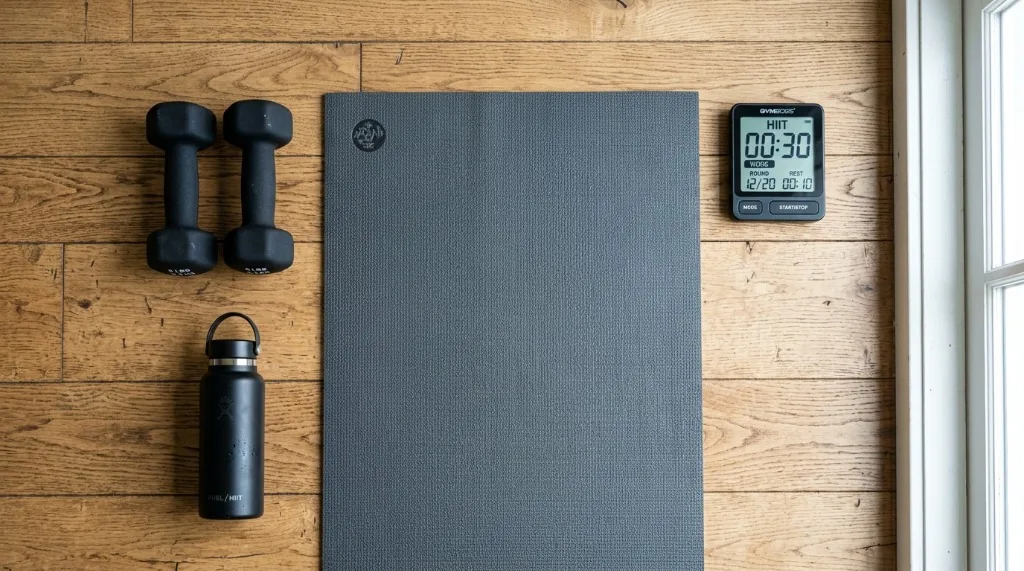
- Use short work periods followed by enough recovery to keep technique controlled.
- Choose low-impact alternatives if jumping is uncomfortable.
- Start with fewer rounds and add time gradually.
- Finish at an easy pace and rehydrate according to thirst and conditions.

Safety and limits
Stop if you feel chest pain, faintness, unusual breathlessness, or sudden joint pain. Seek individual advice before vigorous intervals if you have a health condition, are pregnant, or are returning after illness. Continue with How to Avoid Injuries While Exercising for another practical perspective.