What to know
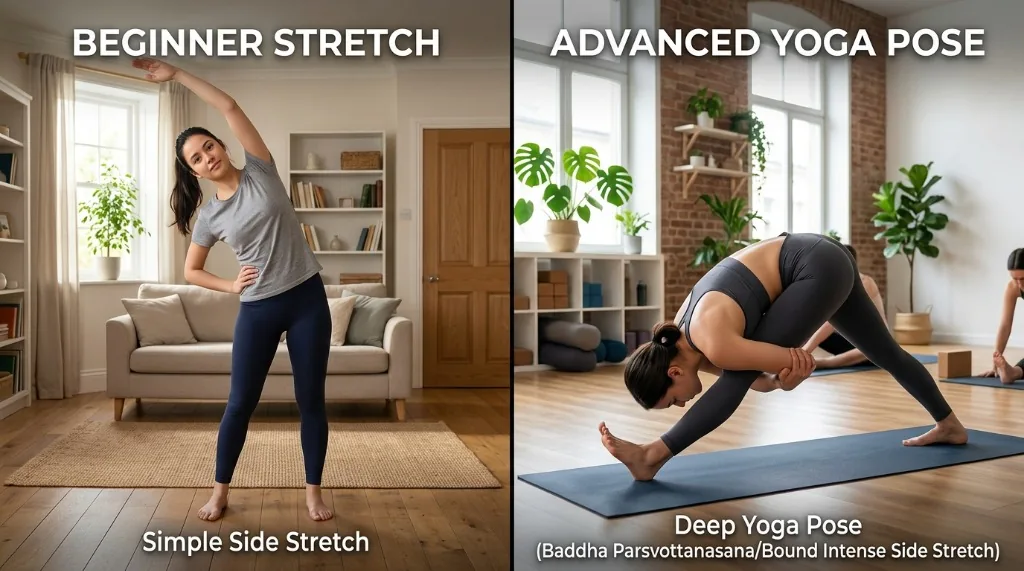
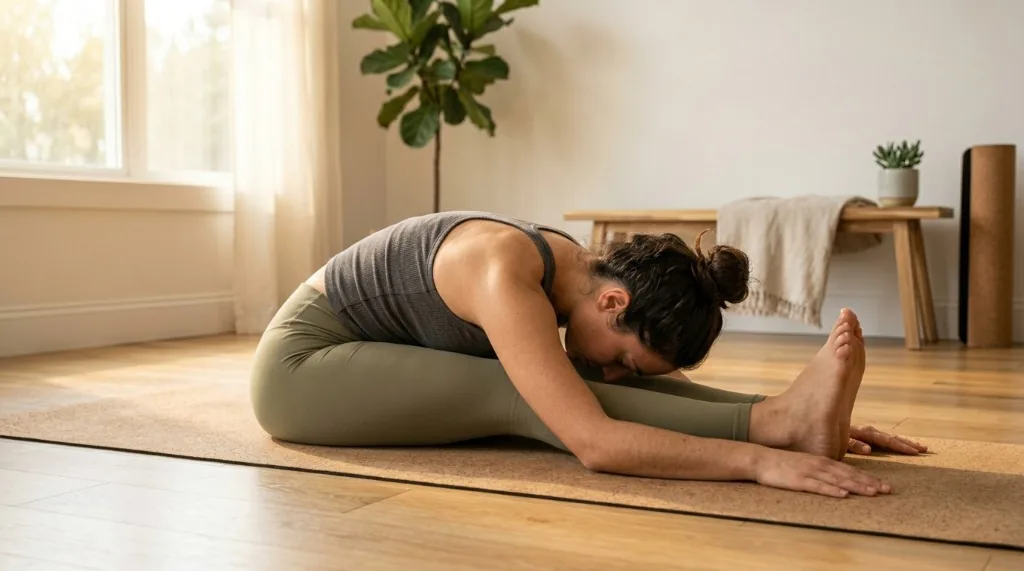
Flexibility and mobility can improve with regular practice, but “fast” gains and injury prevention guarantees are unrealistic. Range of motion differs by joint, training history, age, and health. For related guidance, read Morning Stretching.
Use controlled movement and mild tension rather than forcing a joint. Stretching can support range of motion, while strength, balance, and sport-specific practice also matter. A closely connected Healthy Pulse article covers Mobility Exercises for Comfortable Movement.

A practical approach
- Warm up with easy movement before deeper stretches.
- Choose two to four movements that match the joints you want to train.
- Move slowly and stop before sharp pain, numbness, or tingling.
- Repeat regularly and increase range gradually.
- Pair mobility work with strength through a comfortable range.

Safety and limits
An injury, persistent pain, recent surgery, pregnancy, or a condition affecting joints or balance can change what is appropriate. Ask a physiotherapist or qualified clinician for individual guidance. Continue with A Short Full-Body Stretching Routine for another practical perspective.