What to know
Mindfulness and meditation can be useful wellbeing practices, but results vary and research quality differs by outcome. They are not guaranteed treatments and can feel uncomfortable for some people. For related guidance, read The Power of Mindfulness.
The basic skill is noticing present experience with less automatic judgment. Short, voluntary practice is enough to learn whether it is helpful. A closely connected Healthy Pulse article covers Simple Ways to Practice Mindfulness.
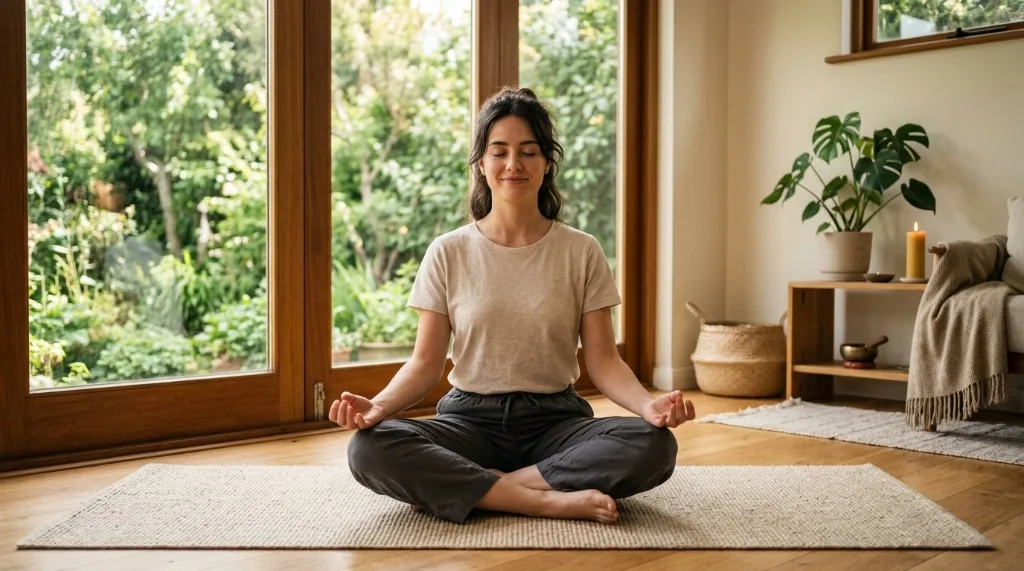
A practical approach
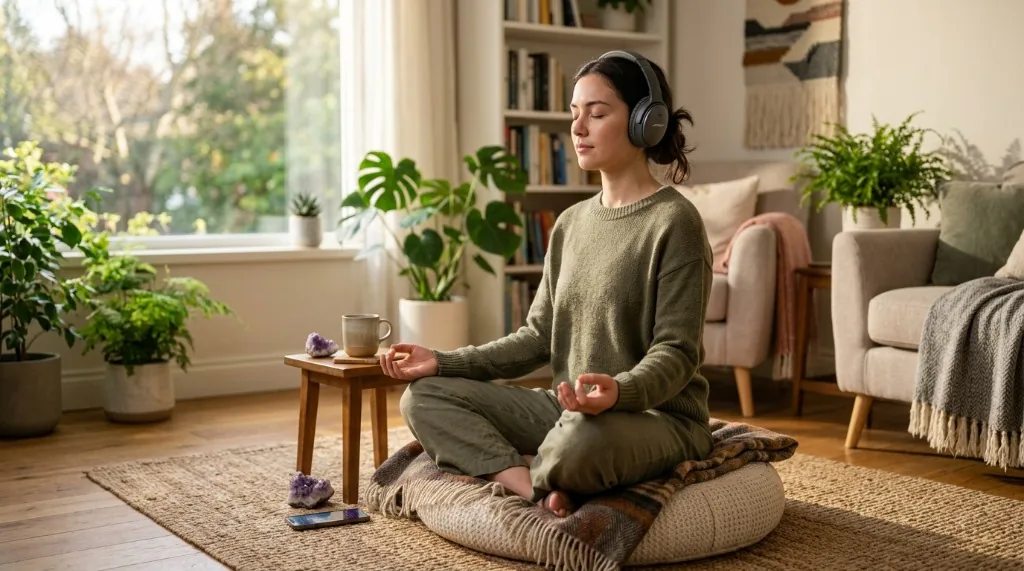
- Choose a quiet minute and a neutral focus such as sound or breathing.
- Notice wandering attention and return gently.
- Keep sessions short at first.
- Use guided instruction from a suitably trained source if helpful.
- Stop or modify the practice if it increases panic, dissociation, or distress.
Safety and limits
Do not use meditation to delay care for a mental or physical health problem. People with trauma or severe symptoms may benefit from a clinician-informed approach. Continue with Gratitude Practice for another practical perspective.