What to know
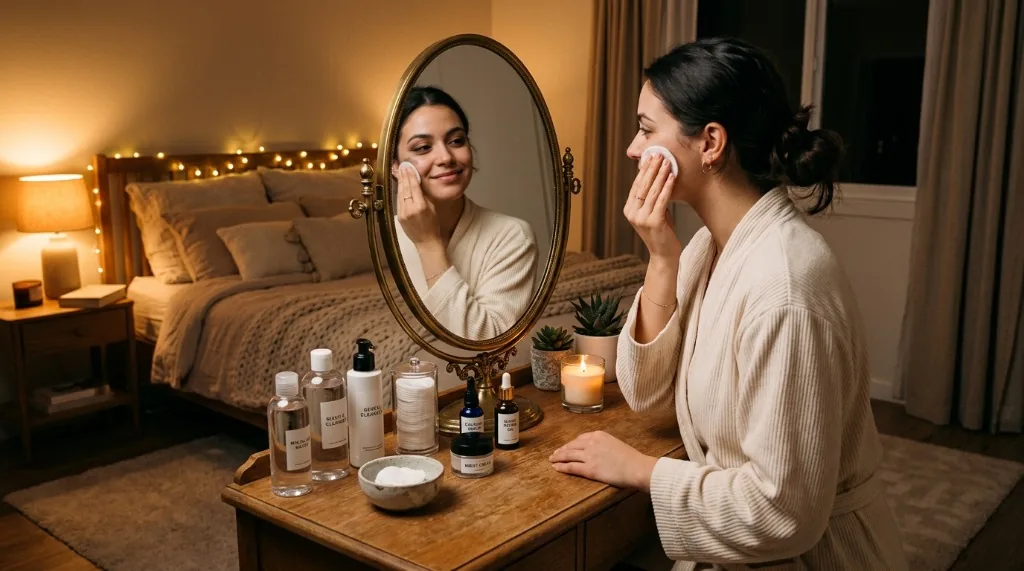
A skincare routine does not need many steps. Cleansing, moisturizing when needed, and sun protection provide a practical base; additional products should address a defined concern. For related guidance, read How to Choose the Right Skincare Products.
Skin type can change with climate, medicines, age, hormones, and skin conditions. Labels such as “natural,” “clean,” or “for all skin types” do not guarantee safety or suitability. A closely connected Healthy Pulse article covers Home Skincare Remedies.
A practical approach
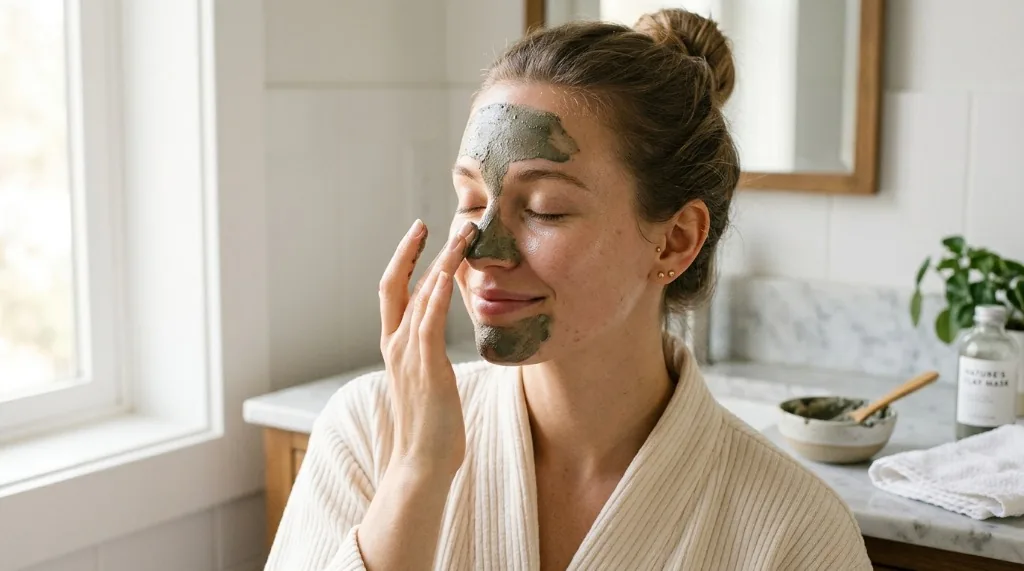
- Use a mild cleanser without scrubbing.
- Choose a moisturizer suited to how dry or oily your skin feels.
- Use broad-spectrum SPF 30+ protection outdoors.
- Introduce one new product at a time and patch test if sensitive.
- Stop products that cause persistent irritation.

Safety and limits
Painful, scarring, infected, rapidly changing, or persistent skin problems need diagnosis. Pregnancy and prescription treatments also require ingredient-specific advice. Continue with The Skin Microbiome and Probiotic Skincare for another practical perspective.