What to know
Fluid needs vary with body size, age, pregnancy or breastfeeding, activity, climate, illness, medicines, and health conditions. A single daily volume is not appropriate for everyone. For related guidance, read Daily Hydration.
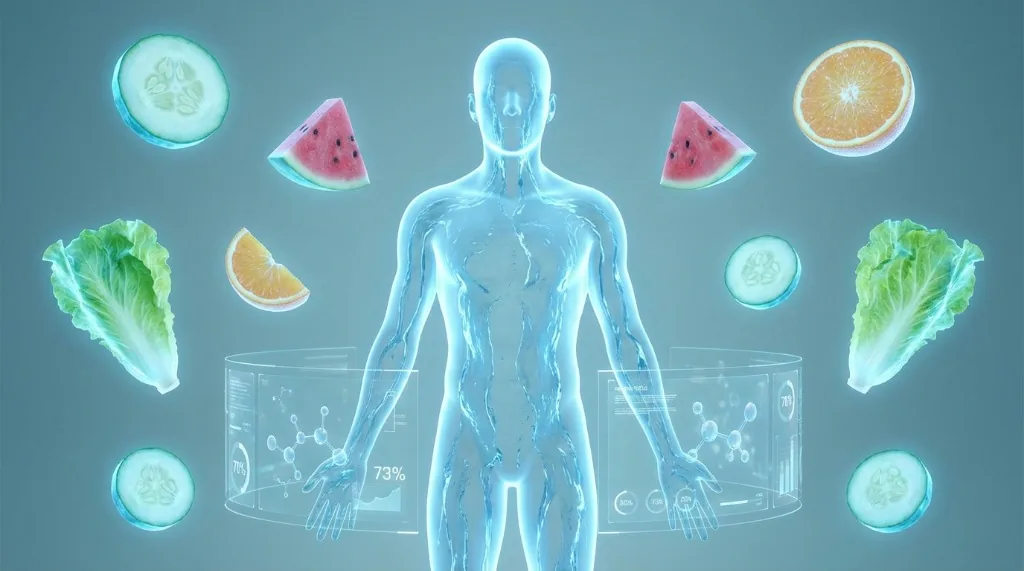
Water and other beverages count, and foods also contribute fluid. Thirst can be a useful cue for many healthy adults; darker urine, reduced urination, dizziness, and dry mouth can indicate dehydration. A closely connected Healthy Pulse article covers Healthy Drinks That Replace Sugary Beverages for Better Hydration and Health.
A practical approach
- Drink regularly and keep water accessible.
- Increase fluids during heat, exercise, fever, vomiting, or diarrhea.
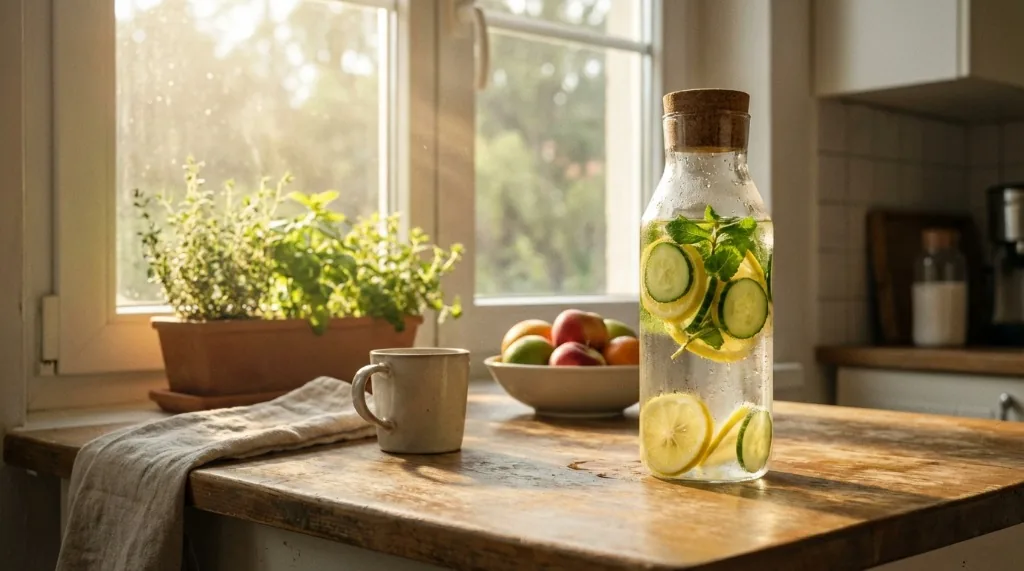
- Choose water or unsweetened drinks more often than sugary beverages.
- Use food and drink together rather than relying on electrolyte powders routinely.
- Seek advice if fluid or electrolyte intake is restricted for a medical reason.
Safety and limits
Kidney or heart disease and some medicines can change fluid, sodium, or potassium needs. Do not add electrolyte supplements or large amounts of salt without appropriate guidance. Continue with How to Build Healthy Eating Habits for Life for another practical perspective.