What to know
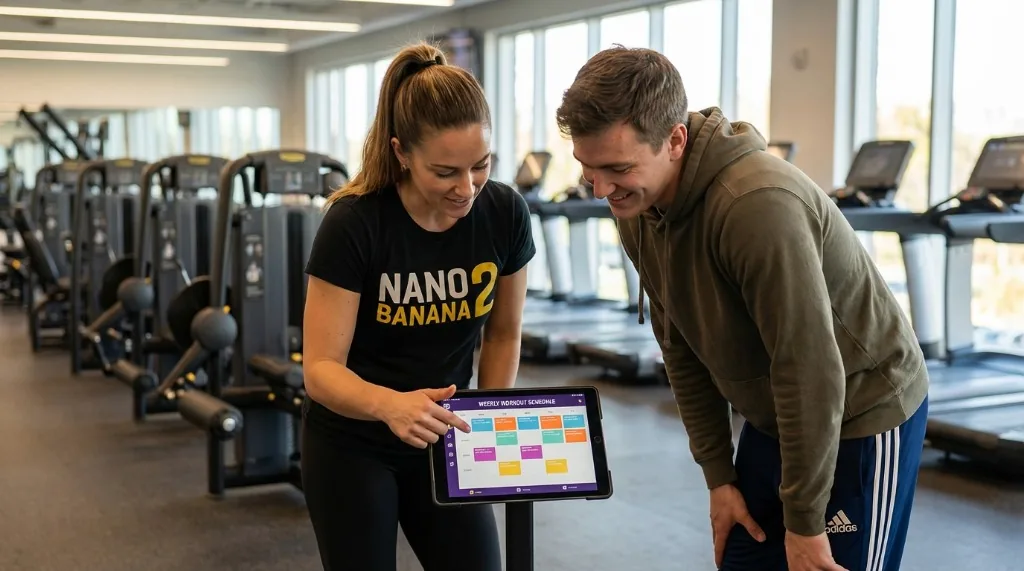
Tracking and challenges can support a routine when they make activity easier to repeat. Device estimates for calories, sleep, and recovery are approximations rather than diagnoses. For related guidance, read 10-Minute Daily Workout Plan for Busy People.
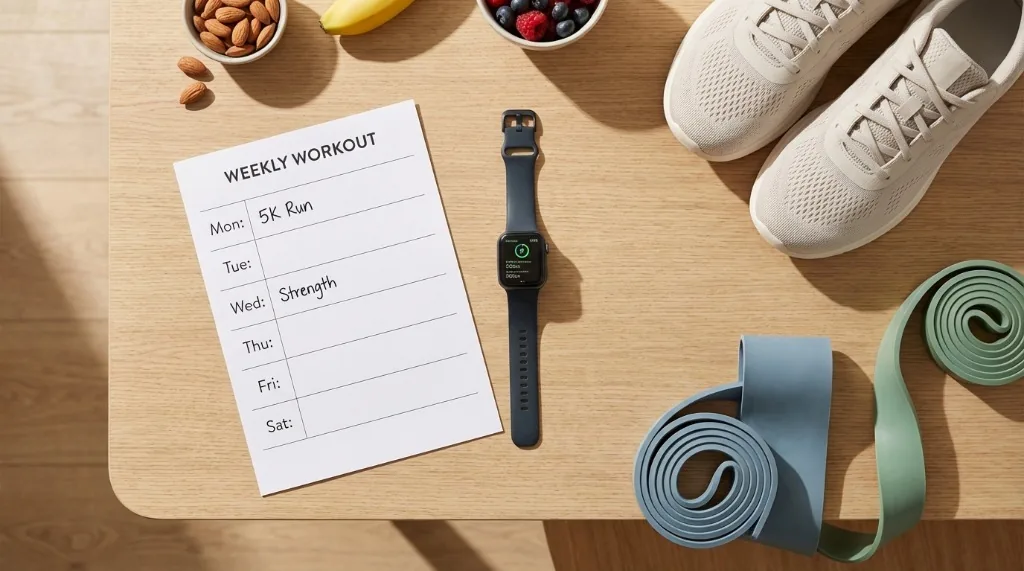
Use a measure that reflects your goal—such as sessions completed, walking time, repetitions, or how an activity feels—and compare it with your own baseline. A closely connected Healthy Pulse article covers Home Workouts vs Gym.

A practical approach
- Pick one behavior that is easy to record.
- Set a small weekly target that fits your schedule.
- Review trends rather than reacting to one day.
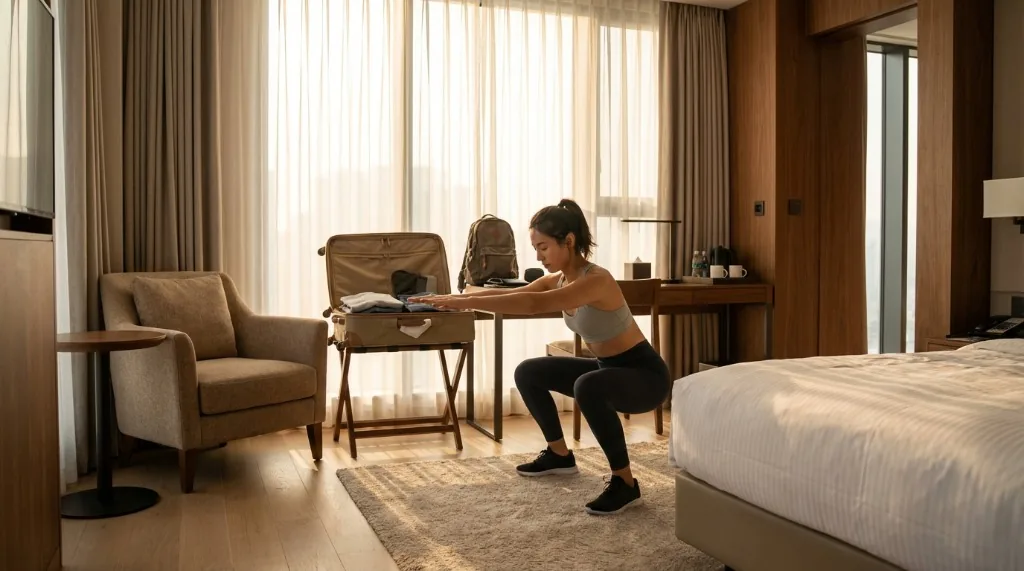
- Build in easier options for travel, weather, or fatigue.
- Adjust the plan when tracking creates guilt or compulsive behavior.
Safety and limits
A consumer device cannot clear someone for exercise or identify a medical problem. Discuss concerning symptoms or major changes in exercise tolerance with a qualified clinician. Continue with A Balanced Full-Body Workout Routine for another practical perspective.