What to know
Moisturizers can reduce dryness and support the skin barrier, but “deep repair,” universal non-comedogenicity, and instant transformation claims are too broad. Product response varies. For related guidance, read Natural Oils for Skin.
A simple routine with gentle cleansing, moisturizer, and sun protection often provides a useful baseline. Humectants, emollients, and occlusives work differently and may be combined in a formulated product. A closely connected Healthy Pulse article covers How to Choose the Right Skincare Products.
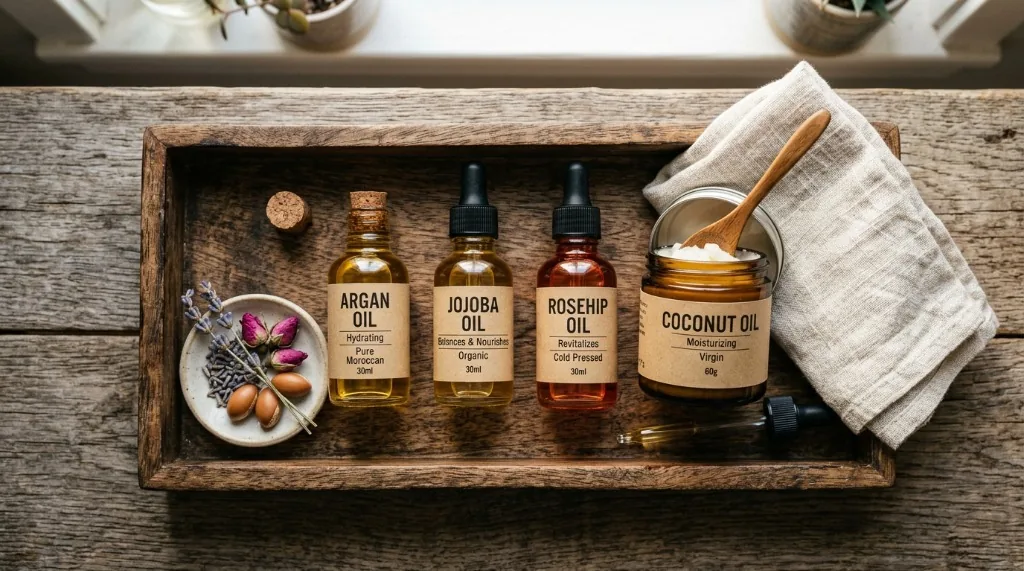
A practical approach
- Choose a fragrance-free product suited to your skin texture and sensitivity.
- Apply moisturizer to slightly damp skin.
- Patch test when you have reacted to products before.
- Add one product at a time.
- Stop products that cause persistent burning, swelling, hives, or a worsening rash.
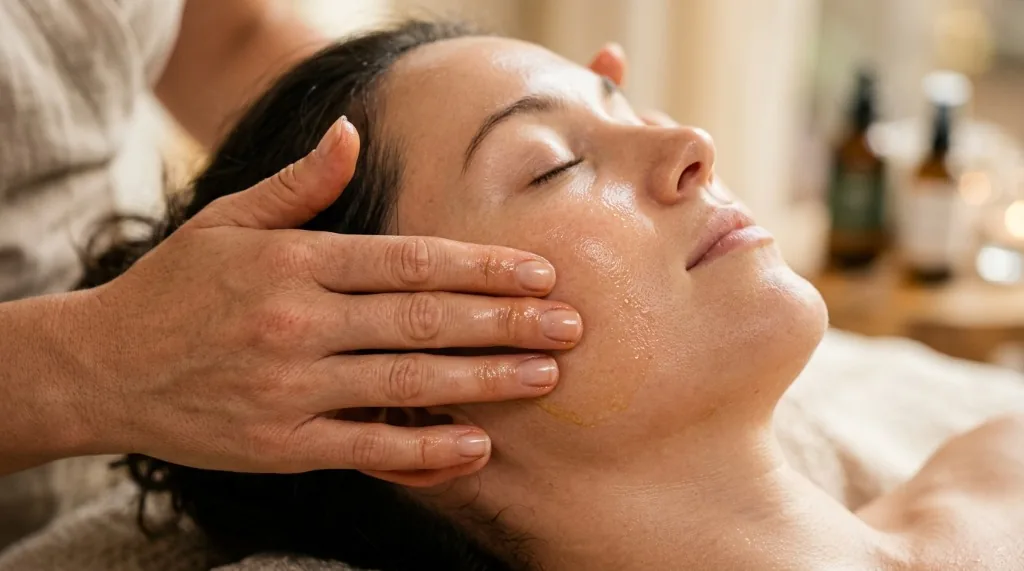
Safety and limits
Persistent cracking, infection, severe itch, or recurrent dermatitis may need diagnosis and treatment. Natural oils and botanical ingredients can also irritate or trigger allergy. Continue with Skincare for Your Body for another practical perspective.